Featured Publications
Tracing the evolution of the figure of the writer-cum-bureaucrat from the Victorian Irish Civil Service through to the present day, this volume examines the scenes of literary art that developed behind counters and desks in bureaucratic Dublin and Belfast, as well as the international contexts in which Irish writers found administrative work in the diplomatic sphere. Advancing our sense of the shape and dynamics of these environments, the volume maps out literary networks spanning both local and central government institutions, thus shedding new light on the phenomenon of the literariness of Irish officialdom.
The volume shows that Irish writers in bureaucratic institutions drew extensively upon their work-life experiences in their writing, frequently emulating or critiquing bureaucratic writing practices in their literary work. Whilst exploring the ways in which employment in state bureaucracies facilitated literary writing, the volume also articulates the specific challenges facing Irish writer-officials whose freedom of expression was drastically curtailed by their position as state functionaries. Examining this complex literary scene of the state functionary across time presents a new window into the workings of the Irish state, as processed through the creative imagination of those who knew it best.
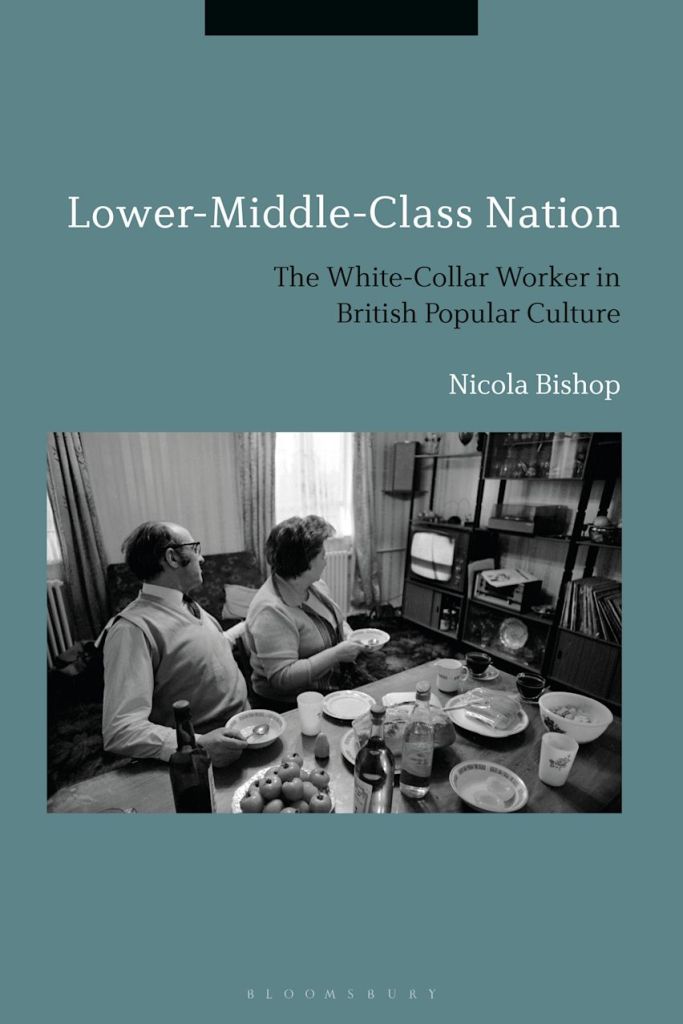
Lower-Middle-Class Nation provides an unparalleled interdisciplinary cultural history of the lower-middle-class worker in British life since 1850. Considering highbrow, lowbrow, and middle-brow forms across literature, film, television and more, Nicola Bishop traces the development of the lower-middle-class from the mid-19th century to the present day, tackling a number of pressing, consistent concerns such as automation, commuting, and the search for a life/work balance. Above all, this book brings together ideas about class, nationhood, and gender, demonstrating that a particularly British lower-middle-class identity is constructed through the spaces and practices of the everyday.
Aimed at undergraduate, postgraduates and scholars working in media and social history, literature, popular culture, cultural studies and sociology, Lower-Middle-Class Nation represents a new direction in cultural histories of work, labour, and leisure.
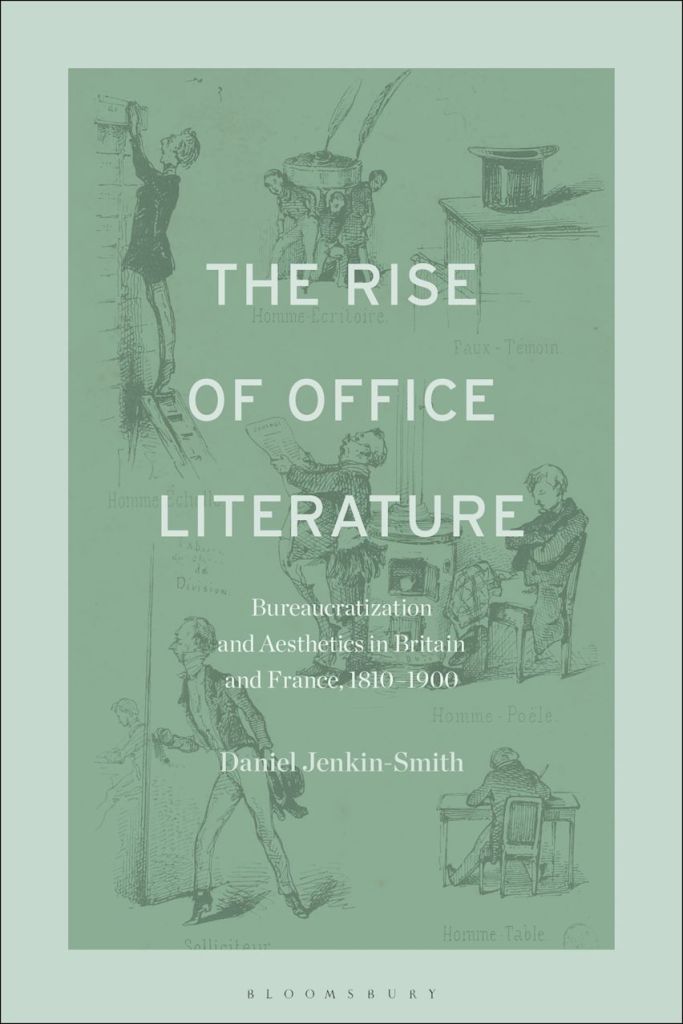
Literary critics have long cited the clerk in 19th-century literature as an emblem of a nascent lower middle class, or of shifting gender roles in the world of work. Moreover, there is growing critical interest in the influence of rapidly evolving organizational systems and data networks on this period’s culture. By refocusing on the point at which these interests meet – the office – The Rise of Office Literature plays a synthesizing role, identifying this workplace as a point of convergence between the abstract and the quotidian, between structures and workers.
By exploring the history of ‘office literature’ – a ‘forgotten’ nineteenth-century literary genre whose exemplars focus primarily on office life – Daniel Jenkin-Smith argues that the portrayal of new labour practices, intellectual forms and bureaucratic technologies in English and French literature served to problematize existing narrative conventions, while also enabling new developments in literary aesthetics. Office literature’s unique position – between the ongoing process of nineteenth-century bureaucratization and the rapidly evolving realist and satirical traditions of this period’s literature – means that it offers an especially insightful perspective onto the interrelation of aesthetic, intellectual, economic and social history.
 Bureaucritics